
BJ Roshone
Stories from the Heartland
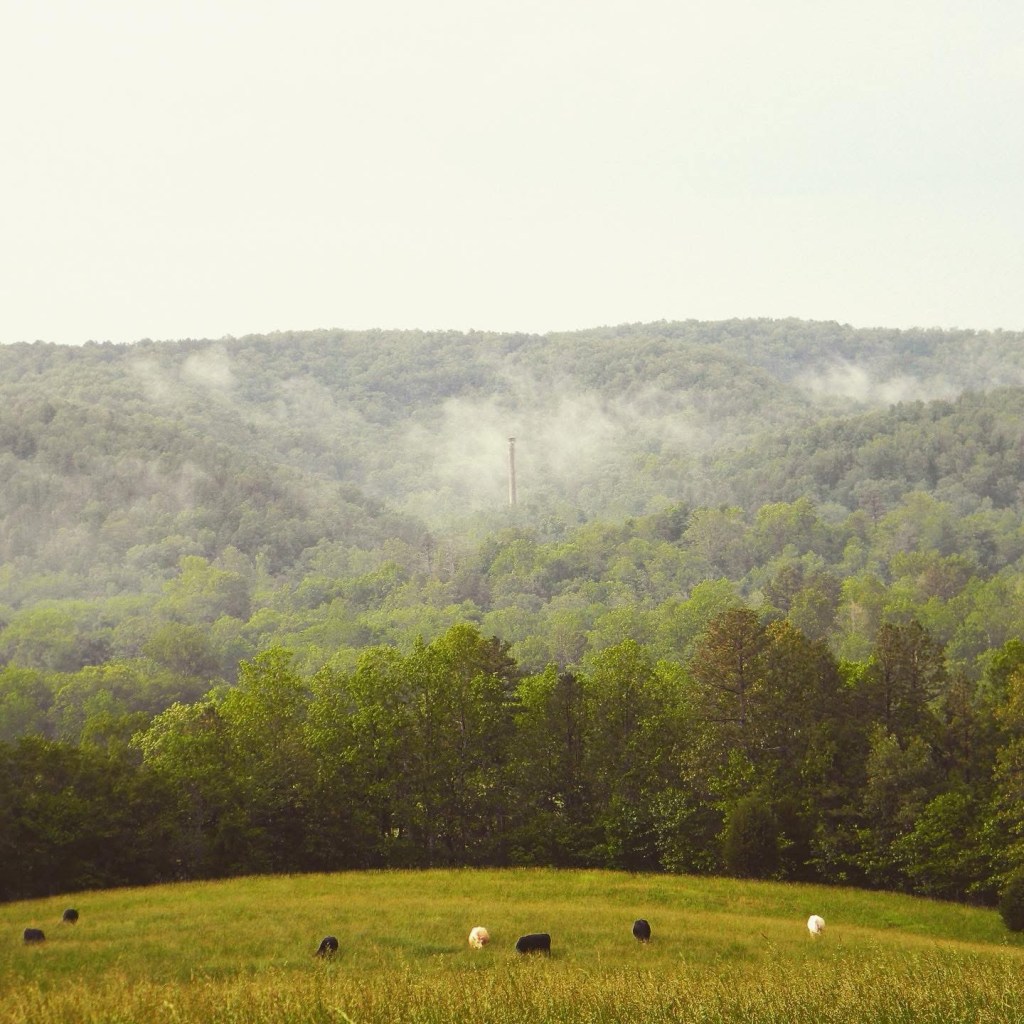
Everyone in Penance Hollow knew Junebug Wren wasn’t right in the head—or so they said.
She lived in the shack on Dogwood Row, just past the broken fence and the place where the creek ran red in spring. Her daddy had drowned there, face-first in a rain barrel, mouth still full of the sermon he was shouting when he slipped. Folks said it was judgment. Folks always said that in Penance Hollow, especially when something cruel happened to the poor.
Junebug didn’t speak for three years after that. Just sat on the porch with her bare feet in the dirt and her eyes fixed on the woods like she was listening to something no one else could hear.
The preacher, Brother Deacon Lyle, said she needed saving.
“She’s a vessel left empty,” he told the flock, lifting his slick hands to the sky. “And you know who fills empty vessels.”
They all nodded, hungry-eyed and righteous.
So they brought her in on a Sunday with the sun bleeding through the clouds like a wound. Junebug didn’t fight. She wore her mama’s old dress, the one with stars stitched at the hem and salt tucked in the cuffs. She held a dead sparrow in one hand and a length of crow feather rope in the other.
Brother Deacon raised her up in front of the congregation like a trophy, then led her down to the muddy baptism pool out back. The water was dark and slow, choked with roots. No fish dared swim in it anymore.
“We cast the devil out of you, child,” he said, gripping her head with both hands.
But before he could dunk her, she smiled.
Not sweet. Not scared.
Just sure.
“You can’t cast out what wasn’t let in,” she whispered.
Then the water began to boil.
Not bubble—boil. Steam rose. The scent of honeysuckle soured to blood. And the congregation fell back, clutching their crosses like they’d never seen one before.
Junebug stood in the pool, untouched, the hem of her dress drifting around her like smoke. The sparrow in her hand opened its eyes and flew, feathers fresh again.
“I was never empty,” she said, turning to face them. “Y’all just never knew what full looked like.”
Brother Deacon reached for her, mouth open in a prayer that sounded more like a curse.
But the water rose up like a hand, pulled him under, and held him there. Long enough for the bubbles to stop. Long enough for the roots to wrap tight around the holy man’s ankles and drag him where the eels sleep.
When the rest of the congregation fled screaming into the woods, they didn’t notice the old women standing by the trees—watching, nodding, not afraid.
Later, some said Junebug left the hollow. Others said she walks it still, planting wild garlic and burying bad omens in the churchyard soil. Nobody’s seen her do harm, but once a year on the anniversary of her baptism, the creek runs red again, and the frogs go silent.
A new preacher came, all smiles and spitfire, tried to scrub the pool clean with bleach and blessings. He left within the month, muttering about dreams of drowning and voices in the roots.
Now, when a girl in Penance Hollow stops speaking or starts seeing too much, the smart mothers take her up Dogwood Row with a pie and some bones to bury. They leave her with Junebug, who doesn’t ask questions. She just opens the door.
And when those girls come back?
They look at you.
Like they know what lives under the surface. Like they ain’t afraid to go in after it.
And in time, the hollow learns:
It ain’t the Devil that walks in Penance.
It’s the daughters who survived him.
 JP Brand Books